Sleepwalking, shouting, dream enactment, choking, and witnessed breathing pauses point to different diagnostic paths, but the same person can have both parasomnia and obstructive sleep apnea. By comparing the event pattern, warning signs, and available tests, you can decide what information to bring to a clinician and when a home test is not enough.
Key takeaways
- Loud snoring and witnessed pauses favour sleep apnea testing.
- Record timing, movements, recall, triggers, and injury risk for parasomnia assessment.
- Video polysomnography helps distinguish unusual behaviours from seizures and sleep apnea.
- Choose a home test for likely uncomplicated apnea; use a lab study for complex symptoms.
Start With the Night-Time Pattern, Not the Label
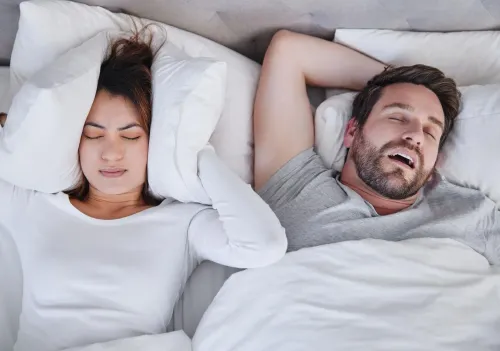
The first clue is the night-time pattern, not the phrase “sleep problem.” Loud habitual snoring, witnessed breathing pauses, choking or gasping, morning headaches, resistant hypertension, obesity, and unexplained daytime sleepiness point more strongly toward obstructive sleep apnea (OSA).
| Pattern | Points more strongly toward | Why it matters |
|---|---|---|
| Loud snoring, pauses, gasping, or choking | Sleep apnea | These are airflow and breathing clues; sleep apnea testing in mumbai can measure them. |
| Talking, walking, sitting up, panic, complex movements, or dream enactment | Parasomnia | Note the event’s time of night, apparent sleep stage, amnesia afterward, age at onset, triggers, medicines, alcohol, and sleep deprivation. |
| Snoring plus unusual behaviours or repeated awakenings | Both | One person can have OSA and parasomnia, so a parasomnia evaluation or sleep apnea test in mumbai is not always an either-or choice. |
Home sleep-apnea testing targets breathing and usually cannot explain sleep behaviours or reliably stage sleep. A negative or incomplete home result does not rule out OSA; attended polysomnography may still be needed, especially with severe insomnia, neurological disease, opioid use, hypoventilation, or major heart or lung disease.
Seek urgent assessment after violent dream enactment, a fall or injury, breathing pauses with blue lips, severe sleepiness while driving, or a first seizure-like event.
The Details That Make a Parasomnia Diagnosis More Reliable
Record at least two weeks of sleep details before seeking a parasomnia diagnosis. A vivid episode alone does not identify the disorder. Note the time of night, estimated sleep stage, responsiveness, recall the next morning, movements, speech, breathing sounds, injuries, and whether the person seemed to act out a dream.
Before seeing a parasomnia specialist in Mumbai, record:
- Age when episodes began, their frequency, duration, and recent change in pattern.
- Bedtime, wake time, night-shift work, sleep deprivation, naps, and irregular schedules.
- Alcohol, cannabis, sedatives, antidepressants, sleeping tablets, stimulants, and recent medication changes.
- Fever, stress, reflux, pain, snoring, witnessed pauses, gasping, and daytime sleepiness.
- Family history of sleepwalking, night terrors, dream enactment, epilepsy, or other neurological conditions.
- A clear bed-partner account and, if safe, a short video showing the behaviour without waking or restraining the person.
Seek urgent assessment for any of these events:
| Event | What to do | Why it matters |
|---|---|---|
| Violent dream enactment, a fall, or an injury | Arrange prompt medical assessment | The behaviour may require injury prevention and evaluation for REM sleep behaviour disorder or seizures |
| Breathing pauses with blue lips or prolonged choking | Seek emergency care | Oxygen deprivation can be dangerous |
| Severe sleepiness while driving or operating machinery | Stop driving and obtain urgent advice | Microsleeps create immediate crash risk |
| A first seizure-like event, prolonged unresponsiveness, or repeated jerking | Seek emergency assessment | Nocturnal epilepsy must be excluded promptly |
When a Parasomnia Evaluation Needs Video Polysomnography
A clinician can often make a parasomnia diagnosis from a consistent history without immediate testing. The pattern should show episodes at a recognisable time in the night, reduced responsiveness, little or no recall, characteristic movements or speech, and triggers such as sleep deprivation, alcohol, stress, or a new medication.
Bed-partner video, a sleep diary, family history, age at onset, injuries, and dream content strengthen the assessment.
An attended overnight video-polysomnogram is needed when the pattern is uncertain, dangerous, unusually frequent, or resistant to treatment. Arrange it promptly for violent dream enactment, repeated falls or injuries, a first seizure-like event, or concern about nocturnal epilepsy.
The study records sleep stages alongside brain activity, breathing, oxygen saturation, heart rhythm, limb movements, body position, and the behaviour captured on video. That combination can separate parasomnia from seizures, sleep-related breathing events, and movements caused by medication or neurological disease.
A clinician may also recommend video polysomnography when loud snoring, witnessed pauses, choking, morning headaches, or marked daytime sleepiness suggests coexisting sleep apnea. A negative or inconclusive home sleep-apnea test does not exclude apnea; inadequate recordings require attended polysomnography.
For a sleep disorder evaluation in Mumbai, ask whether the service can arrange attended video monitoring, review medications and neurological causes, interpret prior home tests, and provide follow-up rather than offering only a generic sleep study.
Home Sleep Apnea Test or Attended Laboratory Study?
For an adult with a high likelihood of uncomplicated moderate-to-severe obstructive sleep apnea, a technically adequate home test can be enough. An attended laboratory study is more complete and is the safer choice when another sleep or medical disorder could be affecting the result.
| Test | Sensors and information | Main limitation |
|---|---|---|
| Home sleep apnea test | Nasal airflow, chest and abdominal effort, oxygen saturation, pulse, body position, and sometimes snoring | Usually cannot identify sleep stages, arousals, limb movements, or behaviours on video |
| Attended polysomnography | All of the above, plus brain-wave sensors, eye movements, chin and leg muscle activity, heart rhythm, and continuous technician-monitored video | Requires an overnight laboratory visit and attached sensors |
A home test records the night you spend in bed, not confirmed sleep time. If you lie awake for hours, it can underestimate the apnea rate and miss mild or positional disease.
It is not a general-purpose parasomnia test because it usually cannot show whether talking, walking, panic, or dream enactment occurred during a particular sleep stage.
Choose attended polysomnography first if you have significant heart or lung disease, suspected hypoventilation, neuromuscular weakness, chronic opioid use, prior stroke, severe insomnia, or another major sleep disorder. It also fits suspected parasomnia when video and sleep staging matter.
A negative, inconclusive, or technically inadequate home result does not prove that apnea is absent. Arrange laboratory polysomnography instead. Anyone searching for sleep apnea testing in Mumbai should know that “parasomnia evaluation or sleep apnea test in Mumbai” is not an either-or decision when both breathing pauses and unusual behaviours occur.
How to Choose the Right Sleep Evaluation in Mumbai
Ask what the practice will do if the first result does not explain the problem. A reliable sleep disorder evaluation in Mumbai should include a review of episode timing, snoring, medications, alcohol, neurological symptoms, and other sleep conditions—not just a generic “sleep study.”
Before booking, ask:
- Can the clinician arrange attended overnight video-polysomnography if movements, dream enactment, seizures, or another parasomnia remain possible?
- Who interprets a home sleep-apnea test, and what happens after a negative, inconclusive, or technically inadequate recording?
- Will the consultation review sedatives, antidepressants, alcohol, chronic opioids, and neurological causes?
- Which warning signs would make laboratory testing safer than home testing?
- What follow-up is included after the report?
| Option | What it answers | When it fits |
|---|---|---|
| Home sleep-apnea test | Breathing pauses, airflow, oxygen, and pulse linked to suspected OSA | Straightforward apnea symptoms without major heart, lung, neurological, or insomnia concerns |
| Attended polysomnography | Sleep stages, breathing, oxygen, movements, heart rhythm, and limb activity | A negative home test, suspected hypoventilation, severe insomnia, chronic opioid use, prior stroke, or another sleep disorder |
| Clinical parasomnia assessment | Episode timing, responsiveness, recall, triggers, injuries, and video evidence | Typical, infrequent events without red flags; video-polysomnography when the pattern is unclear |
Follow-up can change the test choice. A home result that misses OSA is not proof that breathing is normal; arrange attended polysomnography after an inadequate or discordant result. Dr. Pujan Parikh can help connect the symptom pattern with the appropriate next investigation rather than treating every night-time event as apnea.
Related services
Sleep Medicine Services Sleep Apnea (Obstructive & Central) Diagnosis and Treatment Sleep Apnea (Obstructive & Central) Diagnosis and Treatment View service → |
Sleep Medicine Services Snoring Assessment & Management Snoring Assessment & Management View service → |
Frequently asked questions
How do I tell whether I need a parasomnia evaluation or sleep apnea test in Mumbai?
Start with the night-time pattern. Loud habitual snoring, witnessed breathing pauses, choking, morning headaches, resistant hypertension, obesity, and daytime sleepiness point toward obstructive sleep apnea. Complex movements, sleepwalking, night terrors, dream enactment, injuries, or unclear episodes require parasomnia evaluation.
What details improve a parasomnia diagnosis?
Record when episodes occur, how long they last, what movements or sounds happen, whether you respond to others, whether you remember the event, and any triggers such as sleep deprivation, alcohol, medicines, fever, or stress. A bed-partner recording can also help a parasomnia specialist in Mumbai assess the pattern.
When is video polysomnography needed for parasomnia evaluation?
Video polysomnography is useful when episodes are frequent, dangerous, unusual, treatment-resistant, or difficult to distinguish from nocturnal seizures, sleep apnea, or another sleep disorder. It records brain activity, breathing, oxygen, heart rate, muscle activity, body position, and video during sleep.
Should I choose a home sleep apnea test or an attended laboratory study?
A home sleep apnea test suits adults with a strong suspicion of uncomplicated obstructive sleep apnea and no major competing sleep disorder. Choose an attended laboratory study when symptoms are complex, the home test is negative or inconclusive, parasomnia is suspected, or you have significant heart, lung, neuromuscular, or neurological disease.
Related services
Sleep Medicine Services Parasomnias & Other Sleep Disorders Parasomnias & Other Sleep Disorders View service → |
Sleep Medicine Services Excessive Daytime Sleepiness Disorders Excessive Daytime Sleepiness Disorders View service → |
Keywords